Art Authentication: How to Verify the Authenticity of Artwork
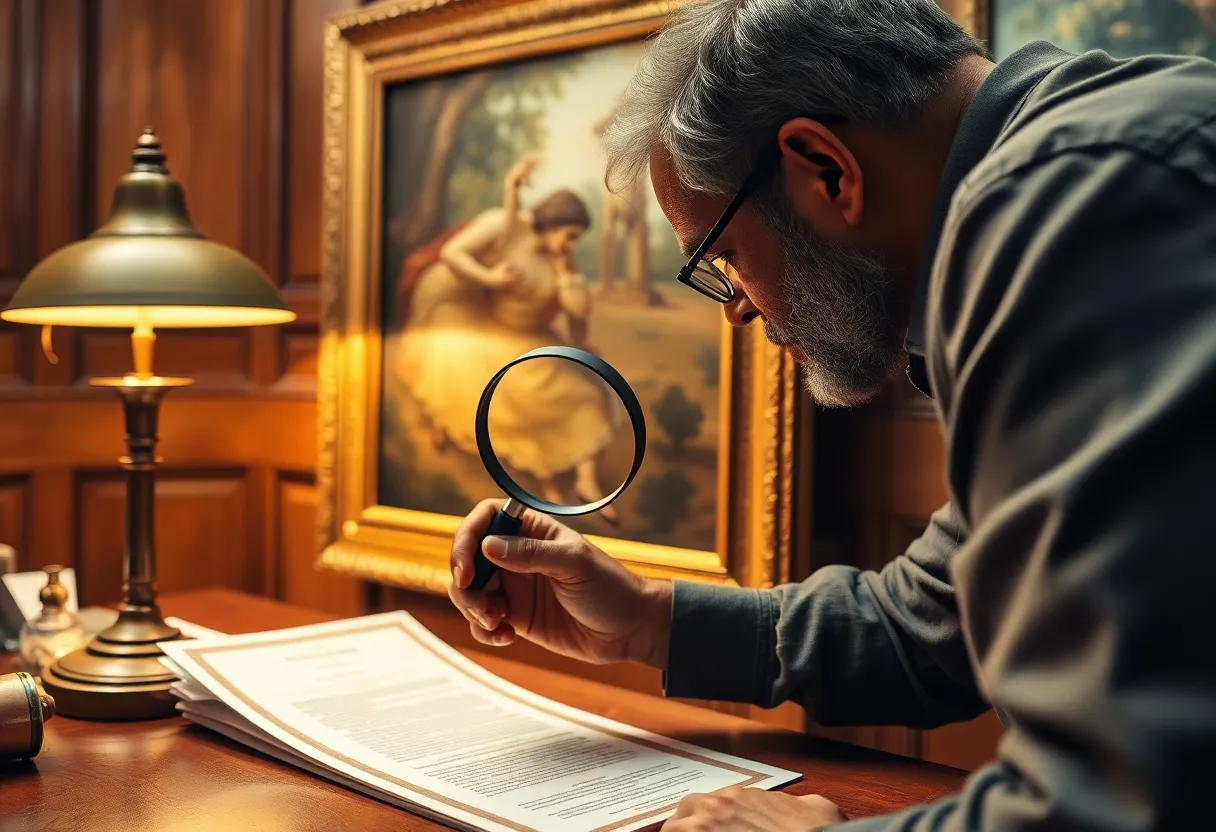
Art fraud is a global problem. By some estimates, as much as 20% of the art in major collections worldwide may be misattributed or outright fake. While the Indian art market is not immune to this challenge, the good news is that authentication tools and practices have become significantly more accessible in recent years. Whether you are buying a INR 5,000 sketch or a INR 5,00,000 painting, understanding how to verify authenticity protects your investment and your trust in the art you collect.
Why Authentication Matters
At its simplest, authentication answers the question: is this artwork genuinely what the seller claims it to be? This includes verifying:
- The artist. Did the person credited actually create this work?
- The period. Is it from the claimed time period?
- The originality. Is it an original or a reproduction?
- The condition. Has it been altered, restored, or damaged in ways not disclosed?
For a collector, buying an unauthenticated work is taking an unnecessary risk. Even at lower price points, you want confidence that you are getting what you paid for.
Methods of Authentication
Provenance Research
Provenance, the documented history of an artwork's ownership, is the gold standard of authentication. A strong provenance chain might include:
- Purchase receipts from galleries or directly from the artist
- Exhibition catalog listings
- Publication references in books or articles
- Auction records
- Letters or communications between previous owners and the artist
Each documented step in the ownership chain adds credibility. Gaps in provenance are not necessarily disqualifying, but they should prompt additional investigation.
Expert Opinion
For works by known artists, authentication often involves getting a recognized expert's opinion. This might be:
- A scholar who specializes in the artist's work
- A catalogue raisonne committee (if one exists for the artist)
- A gallery that has represented the artist extensively
- The artist themselves, if they are still living
Expert opinions are particularly valuable for older works where documentation may be incomplete. However, experts can disagree, and opinions are subjective. The strongest authentication combines expert opinion with other evidence.
Technical Analysis
For high-value works, scientific analysis can provide objective evidence:
- X-ray and infrared reflectography reveal underdrawings and alterations beneath the surface
- Pigment analysis identifies whether the materials are consistent with the claimed period and artist
- Canvas and paper analysis can date the support material
- UV fluorescence reveals retouching and restoration that is invisible to the naked eye
These techniques are expensive and typically reserved for works valued above several lakhs. But for significant purchases, the investment in technical analysis can save you from a costly mistake.
Digital Verification
Modern platforms are introducing digital tools that support authentication:
- Ownership verification through platform records that track who listed a work and when
- Photo documentation with timestamps that create a visual record
- KYC verification of sellers ensures you are dealing with verified individuals
On platforms like KeepThisArt, the combination of seller identity verification and detailed artwork listings creates a baseline layer of trust. While this does not replace expert authentication for high-value works, it significantly reduces the risk of outright fraud in everyday transactions.
Red Flags That Suggest a Fake
Be alert to these warning signs:
Pricing that defies logic. A "genuine" M.F. Husain painting for INR 50,000 is not a bargain; it is almost certainly a fake. If the price seems too good for the claimed artist, proceed with extreme caution.
Vague attribution. Phrases like "attributed to," "in the style of," "school of," or "after" are industry language that specifically indicates the work is NOT confirmed to be by the named artist. These are legitimate descriptions for what they are, but they are not the same as saying "by."
Missing or inconsistent provenance. If the seller cannot explain how they acquired the work or the story keeps changing, that is a concern.
Poor-quality signature. Forgers often struggle with signatures. Compare the signature on the work with known authenticated signatures by the same artist. Look for hesitant lines, incorrect letter formation, or inconsistent placement.
Suspiciously new materials. If a painting is claimed to be 50 years old but the canvas, stretcher bars, and frame all look new, ask questions.
Authentication for Different Price Points
Under INR 25,000
At this level, full expert authentication is not cost-effective. Instead, focus on:
- Buying from verified sellers on trusted platforms
- Asking for any available documentation
- Checking the seller's reputation and transaction history
- Trusting your own visual assessment of quality
INR 25,000 to INR 2,00,000
For purchases in this range:
- Request a certificate of authenticity from the seller
- Research the artist independently
- Verify provenance documentation
- Consider getting an informal expert opinion if you have doubts
Above INR 2,00,000
For significant purchases:
- Insist on documented provenance
- Get a formal expert opinion or authentication
- Consider technical analysis for works with any uncertainty
- Purchase through platforms or galleries that offer dispute resolution
Protecting Yourself as a Buyer
Beyond authentication at the point of purchase, protect yourself with these practices:
- Document everything. Keep all receipts, certificates, photographs, and communications related to your purchases.
- Use platforms with escrow. Services like KeepThisArt that hold payment in escrow until you have received and inspected the artwork give you recourse if something is not as described.
- Build relationships. Over time, you will develop trusted relationships with sellers, galleries, and fellow collectors. These relationships are your best long-term protection.
- Stay informed. Follow art news, attend lectures, and engage with the collector community. Knowledge is your most powerful authentication tool.
The Authentication Ecosystem Is Improving
The Indian art market is steadily building better authentication infrastructure. Digital platforms, identity verification, escrow protections, and growing awareness among collectors are all contributing to a more trustworthy market. While vigilance remains important, the tools available to protect yourself are better than they have ever been.