How to Start Art Collecting in India: A Beginner's Guide
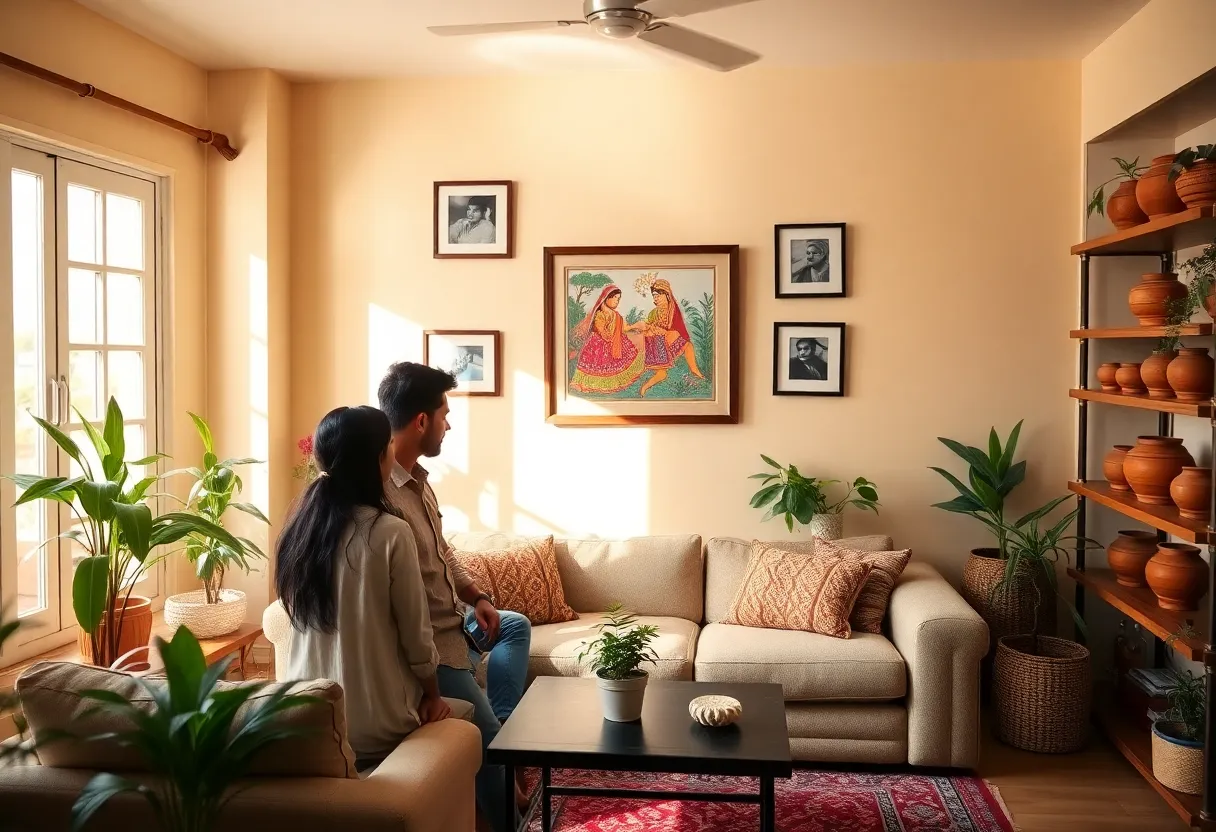
Art collecting in India is no longer reserved for the ultra-wealthy or gallery insiders. With a growing middle class, a vibrant contemporary art scene, and the rise of digital art platforms, there has never been a better time to begin your own collection. Whether you are drawn to Rajasthani miniatures, contemporary abstracts, or folk art from Kerala, this guide will help you take your first confident steps.
Why Start Collecting Art?
Art collecting offers something rare: it sits at the intersection of personal passion and potential financial return. A painting on your wall is not just decoration. It is a conversation starter, a cultural statement, and in many cases, a store of value that appreciates over time.
In India specifically, the art market has seen steady growth over the past decade. Works by emerging Indian artists that sold for a few thousand rupees five years ago are now commanding multiples of their original price. But even beyond investment, collecting art connects you to stories, traditions, and creative minds that enrich your daily life.
Setting Your Budget
One of the biggest misconceptions about art collecting is that you need lakhs to get started. In reality, you can find compelling original works starting from as little as INR 2,000 to INR 10,000. Here is a rough framework:
- INR 2,000 - 10,000: Prints, small originals by student or emerging artists, folk art
- INR 10,000 - 50,000: Mid-size originals by emerging to mid-career artists
- INR 50,000 - 2,00,000: Established emerging artists, larger works, mixed media
- INR 2,00,000+: Recognized contemporary artists with gallery representation
The key is to buy what genuinely moves you, within a budget you are comfortable with. Collecting should feel exciting, not financially stressful.
Where to Find Art
Online Platforms
The digital revolution has democratized art access in India. Platforms like KeepThisArt allow you to browse artworks from collectors and artists across the country, with features like location-based discovery so you can find art near you. The advantage of peer-to-peer platforms is that you often get better prices than traditional galleries, and you can trade or swap artworks as your taste evolves.
Gallery Exhibitions
Cities like Delhi, Mumbai, Jaipur, Kolkata, and Bengaluru have thriving gallery scenes. Visiting exhibitions gives you the irreplaceable experience of seeing art in person, understanding scale, texture, and how light interacts with a piece.
Art Fairs
India Art Fair (New Delhi), the Kochi-Muziris Biennale, and regional art festivals are excellent places to discover new artists and buy directly. Many fairs feature affordable sections specifically for new collectors.
Directly from Artists
Social media has made it easy to connect with artists directly. Instagram, in particular, has become a virtual gallery for thousands of Indian artists. Buying direct means more money goes to the creator.
What to Look For
Authenticity
Always verify that the work is original. Ask for a certificate of authenticity if available. For works purchased through platforms like KeepThisArt, ownership verification processes help ensure what you are buying is legitimate.
Condition
Examine the physical condition carefully. Look for cracks, discoloration, or signs of poor storage. If buying online, request high-resolution images and ask about the artwork's history.
Provenance
Provenance, the ownership history of a work, matters even for affordable pieces. It builds the story and helps with future resale. Keep all purchase receipts, certificates, and correspondence.
Medium and Materials
Understand what you are buying. An oil painting on canvas will age differently than a watercolor on paper. Acrylic works are more durable in humid Indian climates. Mixed media pieces may require specific care.
Building Your Collection Over Time
Do not try to build a collection overnight. The best collections are built gradually, one piece at a time, as your knowledge and taste develop. Here are some principles:
- Start with what you love. Your collection should reflect your aesthetic, not someone else's investment advice.
- Diversify. Explore different mediums, styles, and regions. India's artistic diversity is one of its greatest strengths.
- Keep records. Document every acquisition with photos, receipts, and provenance details.
- Engage with the community. Attend openings, join collector groups, and follow art publications. Platforms like KeepThisArt make it easy to discover art from across India's regions.
- Be patient. The best finds often come when you are not actively searching.
Caring for Your Art
Once you have acquired a piece, proper care is essential:
- Avoid direct sunlight, which causes fading
- Control humidity (India's monsoon season is particularly harsh on paper works)
- Use UV-protective glass for framing
- Handle works with clean, dry hands or cotton gloves
- Consider art insurance for valuable pieces
The Joy of Collecting
At its core, art collecting is about the relationship between you and the work. Every piece you bring home carries the energy of its creator, the culture it emerged from, and the moment you chose it. In India, where artistic traditions span thousands of years and contemporary voices are reshaping the global art conversation, there is no shortage of extraordinary work to discover.
Start small, stay curious, and let your collection grow with you.