Indian Art Market in 2026: Key Trends Every Collector Should Know
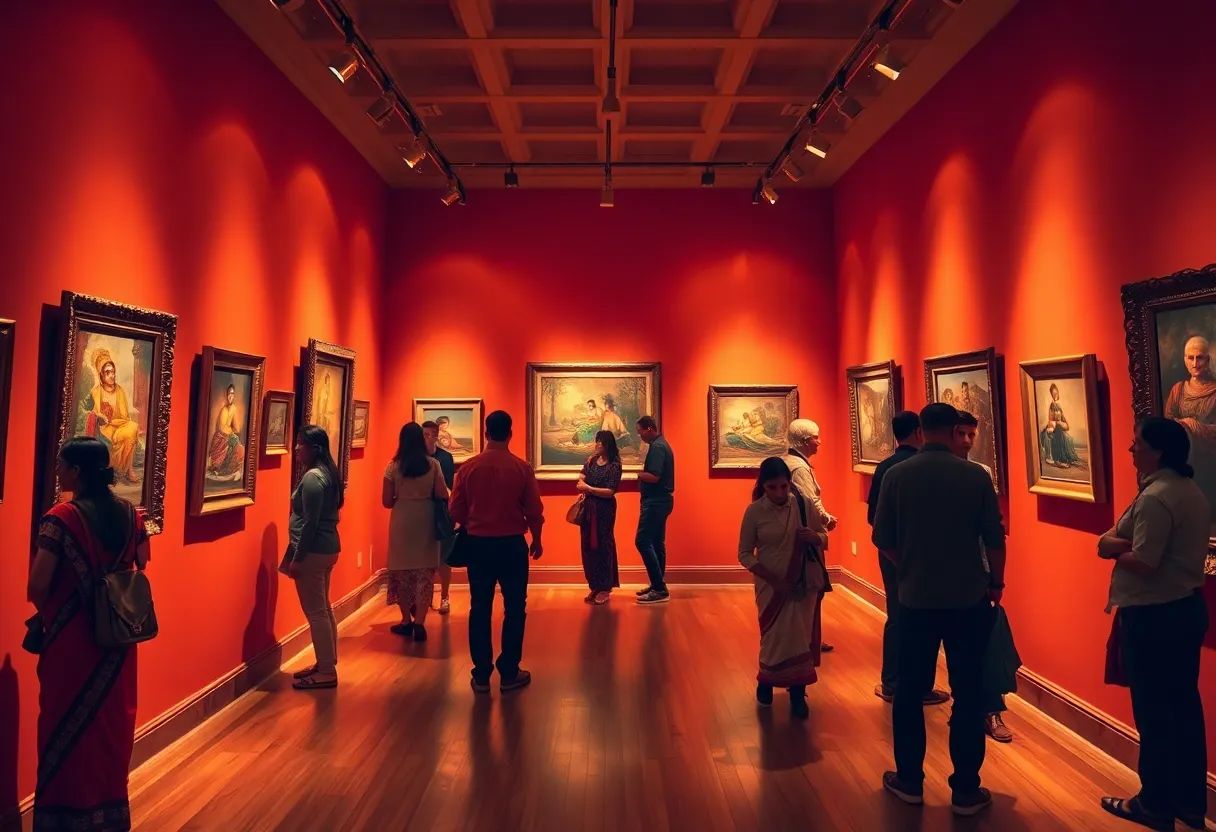
The Indian art market in 2026 is at an inflection point. After years of steady growth, several converging forces are reshaping how art is discovered, valued, and traded across the country. For collectors, whether seasoned or just starting out, understanding these trends is essential for making informed decisions.
The Rise of Peer-to-Peer Art Trading
Perhaps the most significant shift in the Indian art market is the emergence of peer-to-peer (P2P) art trading platforms. Unlike traditional galleries or auction houses that take significant commissions and control the narrative around an artwork's value, P2P platforms allow collectors to trade directly with one another.
Platforms like KeepThisArt have introduced features that make direct trading both safe and accessible: escrow-protected transactions ensure neither party can be defrauded, ownership verification builds trust, and location-based discovery lets you find artworks near your city. This model is particularly well-suited to India, where the art market has always been deeply personal and relationship-driven.
Digital Discovery Is Replacing Gallery Walk-ins
While physical galleries remain important, the way people discover art has fundamentally changed. In 2026, most new collectors first encounter an artwork on a screen, whether through social media, a curated platform, or a map-based discovery tool. The shift to digital has several implications:
- Geographic barriers are dissolving. A collector in Patna can now browse and acquire work from an artist in Kochi without either party traveling.
- Price transparency is increasing. Online listings make it harder for middlemen to inflate prices artificially.
- Emerging artists get more visibility. You no longer need gallery representation to reach collectors.
The New Collector Demographic
India's art collector base is getting younger and more diverse. Professionals in their late twenties and thirties, many working in technology and finance, are entering the market with disposable income and a genuine interest in aesthetics. Unlike previous generations who often collected as a status symbol, these new collectors tend to:
- Research extensively before buying
- Prefer transparent pricing and clear provenance
- Value the story behind the work as much as the work itself
- Trade and swap artworks as their taste evolves, rather than treating each purchase as permanent
This demographic shift is driving demand for platforms that cater to informed, digitally-native buyers. KeepThisArt's discover feature is one example of how technology is meeting this demand, letting users explore artworks geographically and by medium.
Regional Art Scenes Are Gaining National Attention
For decades, the Indian art market was heavily concentrated in Mumbai and Delhi. In 2026, that is changing. Cities like Jaipur, Kolkata, Bengaluru, Hyderabad, and Kochi are developing vibrant art ecosystems with their own galleries, collectives, and collector communities.
This decentralization is healthy for the market. It brings more diverse voices into the conversation, creates new opportunities for artists outside metro cities, and makes art more accessible to collectors who do not live in traditional art hubs.
Regional art forms, from Madhubani painting in Bihar to Pattachitra in Odisha, are also seeing renewed interest. Collectors are recognizing that these traditions, often passed down through generations, represent some of India's most authentic and culturally significant artistic expressions.
Pricing: The INR 10,000 to INR 2,00,000 Sweet Spot
Market data shows that the most active segment of the Indian art market sits between INR 10,000 and INR 2,00,000. This is where the majority of transactions happen, and where the most interesting dynamics play out:
- Emerging artists can price work accessibly and build a collector base
- New collectors can acquire meaningful originals without financial strain
- Trade volume is highest in this range, creating liquidity
For works above INR 2,00,000, the market behaves more like a traditional luxury market, with longer holding periods and fewer transactions. The sub-INR 10,000 segment, while large in volume, is dominated by prints and reproductions.
Trust and Verification Are Becoming Non-Negotiable
As the market grows, so does the importance of trust infrastructure. Buyers are increasingly unwilling to send large sums to strangers without some form of protection. Key trust mechanisms gaining adoption in 2026 include:
- Escrow services that hold payment until both parties confirm the transaction
- KYC verification for sellers, ensuring identity is validated before high-value trades
- Condition documentation with photos taken before and after shipping
- Transparent fee structures where buyers and sellers know exactly what they are paying
These are not just nice-to-have features. They are becoming baseline expectations, especially among younger collectors who are accustomed to consumer protections in other digital marketplaces.
Art as a Tangible Asset Class
With continued volatility in equity markets and growing awareness of alternative investments, art is gaining recognition as a tangible asset class in India. Unlike stocks or mutual funds, art provides aesthetic value alongside potential appreciation. Several factors support this trend:
- Indian contemporary art has a strong track record at international auctions
- The domestic secondary market is becoming more liquid thanks to platforms enabling peer-to-peer resale
- Art is not correlated with stock market performance, making it a useful portfolio diversifier
However, it is important to approach art investment with realistic expectations. Not every piece will appreciate, and liquidity is never guaranteed. The best strategy remains buying what you love, from artists whose trajectory you believe in, and holding for the long term.
Looking Ahead
The Indian art market in 2026 is more accessible, more transparent, and more dynamic than at any point in its history. The convergence of digital platforms, a new generation of collectors, thriving regional scenes, and improved trust infrastructure is creating conditions for sustained growth. For those willing to learn, explore, and engage, it is an exciting time to be part of the conversation.