Investing in Contemporary Indian Art: What to Look For
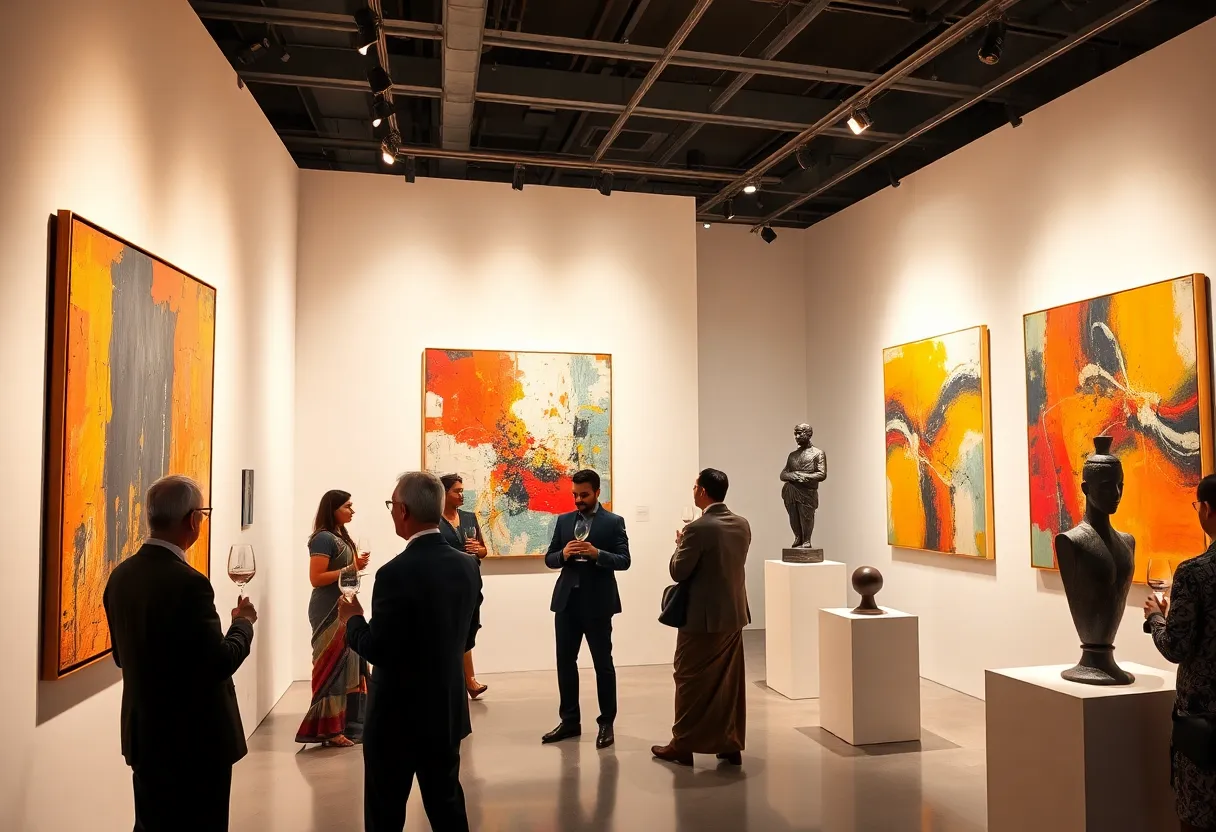
Contemporary Indian art has attracted global attention over the past two decades, with artists like Subodh Gupta, Bharti Kher, and Jitish Kallat achieving international recognition and commanding prices at major auction houses worldwide. For investors looking beyond traditional asset classes, Indian contemporary art offers a compelling combination of cultural significance and financial potential.
But art investment is not like buying stocks. It requires knowledge, patience, and a genuine engagement with the work. Here is what to consider if you are thinking about building an art investment portfolio.
Why Contemporary Indian Art?
Several factors make Indian contemporary art an attractive category:
Growing domestic market. India's expanding middle class and rising disposable incomes are creating a larger pool of domestic collectors. This organic demand supports sustainable price appreciation.
International recognition. Indian artists are increasingly represented at major international biennales, museum exhibitions, and art fairs. Global demand adds upward pressure on prices.
Cultural depth. India's artistic traditions span thousands of years, and contemporary artists who engage with these traditions while speaking a modern visual language tend to have enduring appeal.
Relative affordability. Compared to the Western contemporary art market, Indian art is still relatively affordable. Works by promising mid-career Indian artists might cost what an entry-level piece by a Western artist of comparable stature would command.
How to Evaluate Artists for Investment Potential
Exhibition History
An artist's exhibition record is one of the most reliable indicators of their trajectory. Look for:
- Solo exhibitions at reputable galleries
- Group exhibitions at established institutions
- Participation in national and international art fairs
- Museum acquisitions or inclusions in institutional collections
An artist who has shown consistently at respected venues for five or more years is demonstrating sustained market interest, not just a momentary trend.
Gallery Representation
Representation by a reputable gallery signals that art world professionals believe in the artist's long-term potential. Galleries invest significant resources in their artists, including marketing, exhibition opportunities, and collector relations. That investment is a form of validation.
Secondary Market Activity
For artists at the mid-career stage and above, check whether their work appears on secondary market platforms. If collectors are reselling work and it is finding buyers, that indicates genuine demand. Platforms like KeepThisArt enable this kind of secondary market activity for the Indian art market, making it easier to assess whether an artist's work has resale demand.
Consistency and Development
The strongest investment bets are artists who show a clear artistic evolution while maintaining a recognizable voice. Erratic shifts in style or medium can confuse the market and make valuation difficult.
Building an Art Investment Portfolio
Diversify Across Career Stages
A balanced portfolio might include:
- 1-2 works by established artists as anchor pieces with lower risk
- 3-5 works by mid-career artists with strong exhibition records and growing recognition
- 5-10 works by emerging artists as higher-risk, higher-potential-return positions
Diversify Across Mediums and Styles
Do not concentrate entirely in one style or medium. If figurative Indian art falls out of fashion, your abstract and mixed media works provide balance. Different mediums also have different collector bases and market dynamics.
Plan Your Holding Period
Art is a long-term investment. The typical minimum holding period for meaningful appreciation is 5 to 10 years. Short-term flipping is possible but rarely sustainable and can damage your reputation in the small art world where relationships matter.
Budget Realistically
Only invest money you can afford to lock up for years. Art is illiquid compared to financial markets. Even if a piece has appreciated significantly, finding the right buyer at the right time can take months.
Common Mistakes to Avoid
Buying solely on hype. An artist generating social media buzz or being featured in lifestyle media is not the same as one building a serious career. Hype cycles fade; artistic substance endures.
Ignoring condition and documentation. A painting in poor condition or without provenance documentation will be significantly harder to resell, regardless of the artist's reputation. Always insist on proper documentation at the time of purchase.
Over-concentrating. Putting too much capital into a single artist or work concentrates your risk. Even the most promising artists have uncertain trajectories.
Neglecting care. Your investment is physical. Improper storage, exposure to sunlight, or water damage can destroy value instantly. Invest in proper framing, storage, and insurance.
The Role of Online Platforms
Online art platforms are transforming the investment landscape by creating liquidity where there was once very little. The ability to list, discover, and trade art online means that your investment is no longer dependent on a single gallery's willingness to resell it.
KeepThisArt specifically addresses one of the biggest challenges in art investment: the exit. By enabling peer-to-peer trading with escrow protection, the platform creates a more liquid secondary market for Indian art. This is particularly valuable for works in the INR 10,000 to INR 5,00,000 range, where traditional auction houses may not be a practical option.
Patience Is the Investor's Edge
The art market rewards patience. The collectors who have achieved the best returns are those who bought thoughtfully, held for years, and sold when the time was right. Unlike equity markets, there is no ticker showing real-time prices. The absence of constant price signals is actually an advantage: it protects you from panic selling and encourages the long-term thinking that leads to the best outcomes.
If you approach art investment with genuine curiosity, careful research, and patience, it can be one of the most rewarding components of a diversified portfolio, financially and personally.