Top Art Mediums Explained: Oil, Acrylic, Watercolor, and More
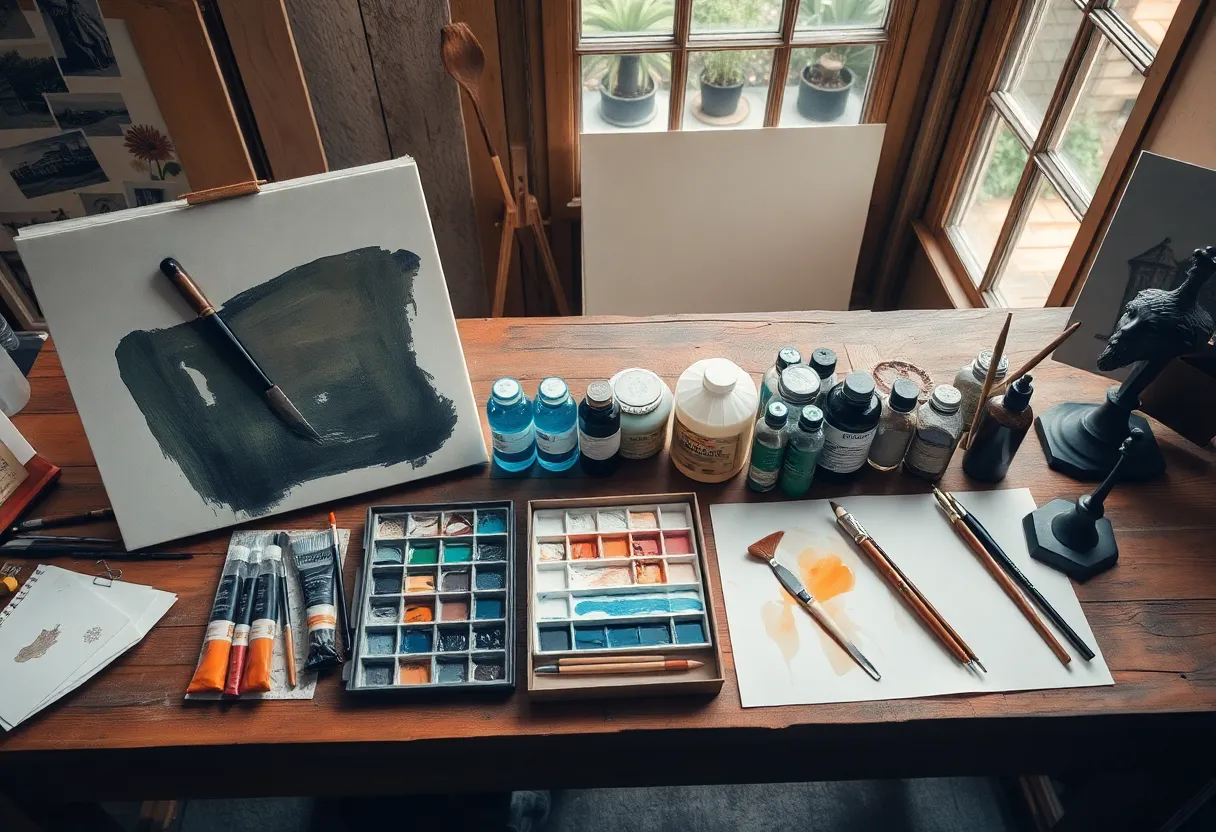
When browsing art listings or visiting a gallery, you will encounter a range of mediums: oil, acrylic, watercolor, gouache, pastel, mixed media, and more. Each medium has distinct characteristics that affect how a work looks, how long it lasts, and how it should be cared for. For collectors, understanding these differences is not just academic. It directly informs purchasing decisions and long-term care.
Oil Paint
Oil painting has dominated Western and Indian fine art for centuries. The medium uses pigments suspended in drying oils, typically linseed oil.
Characteristics:
- Rich, luminous color depth that is difficult to replicate in other mediums
- Slow drying time allows artists to blend and rework extensively
- Can be applied in thin glazes or thick impasto textures
- Ages beautifully, often developing a warm patina over decades
For collectors: Oil paintings are among the most durable and valuable works. They hold up well over time when stored properly. The richness of the medium means that reproductions rarely capture the true quality of an original oil painting, making originals particularly worth seeking out.
Care: Avoid direct sunlight and extreme humidity. Dust gently with a soft brush. Professional cleaning every few decades for valuable pieces.
Acrylic Paint
Acrylic paint, a relatively modern medium developed in the mid-20th century, uses pigments suspended in acrylic polymer emulsion.
Characteristics:
- Dries quickly, allowing for rapid layering
- Versatile: can mimic the appearance of oil or watercolor depending on technique
- More resistant to cracking than oil in fluctuating conditions
- Vibrant colors that remain stable over time
For collectors: Acrylics are well-suited to India's climate. The faster drying time and humidity resistance make acrylic works more forgiving in homes without climate control. Many of India's leading contemporary artists work in acrylic, so this medium is well-represented on platforms like KeepThisArt.
Care: Similar to oil, avoid direct sunlight. Acrylics are more flexible than oil, so they are less prone to cracking. Clean with a slightly damp, soft cloth if needed.
Watercolor
Watercolor uses pigments dissolved in water and applied to paper. It is one of the oldest painting techniques, with a particularly rich tradition in Indian miniature painting.
Characteristics:
- Translucent, luminous quality unique to the medium
- The white of the paper shows through, creating a natural brightness
- Unforgiving: mistakes are difficult to correct
- Often smaller in scale due to the paper support
For collectors: Watercolors are generally more affordable than oil or acrylic works of comparable quality, partly due to the typically smaller size and the perceived fragility of paper. However, masterful watercolor work is exceptionally beautiful and highly collectible. Indian miniature traditions are essentially watercolor-based.
Care: Paper is vulnerable to moisture, light, and insects. Always frame behind UV-protective glass. Store in dry environments. Consider archival matting that prevents acid transfer from the frame.
Gouache
Gouache is essentially opaque watercolor, using the same water-based vehicle but with higher pigment concentration and the addition of white pigment or chalk.
Characteristics:
- Flat, matte finish that photographs well
- Opaque coverage, unlike the translucency of watercolor
- Quick drying and easy to rework
- Used extensively in illustration and design as well as fine art
For collectors: Gouache is popular among Indian folk artists and illustrators. It produces distinctive, bold works that stand out in a collection. Pricing is similar to watercolor.
Care: Same requirements as watercolor. Protect from moisture and UV light.
Pastel
Pastels are sticks of pure pigment held together with a minimal binder. They produce intensely saturated colors applied directly to paper or board.
Characteristics:
- Extraordinary color vibrancy and intensity
- Soft, velvety texture on the surface
- Fragile: the pigment sits on the surface and can smudge
- Requires fixative spray to stabilize, though this slightly dulls the color
For collectors: Pastel works must be framed behind glass and handled with extreme care. Despite the care requirements, the color quality of pastels is unmatched by any other medium. A well-executed pastel can be breathtaking.
Care: Always keep framed and behind glass. Never touch the surface. Handle by the edges of the frame only.
Mixed Media
Mixed media refers to any work that combines multiple materials or techniques. This could mean acrylic paint with collage elements, oil paint with gold leaf, digital printing with hand-painted additions, or any other combination.
Characteristics:
- Highly diverse, no single look or feel
- Often more textured and three-dimensional than single-medium works
- Reflects contemporary art's embrace of experimentation
- Can include unconventional materials: fabric, metal, sand, found objects
For collectors: Mixed media works are exciting because they are inherently unique. The combination of materials means no two pieces are quite the same, even from the same artist. When browsing KeepThisArt's discover page, mixed media is one of the most popular categories among contemporary Indian artists.
Care: Depends entirely on the materials used. Ask the artist or seller for specific care instructions.
Ink and Pen
India has a strong tradition of ink work, from detailed pen drawings to bold brush-and-ink compositions.
Characteristics:
- High contrast, graphic quality
- Can range from delicate fine-line work to expressive brushwork
- Often used in combination with wash techniques for tonal variation
- Many Indian artists use traditional ink-making methods
For collectors: Ink works are often more affordable than painted works and can be incredibly detailed and impressive. They complement painted works well in a collection and are generally easier to frame and display.
Care: Similar to works on paper. Protect from light and moisture.
What Medium Should You Collect?
There is no wrong answer. The best approach is to follow your visual preferences while understanding the practical implications:
- If durability and low maintenance are priorities, acrylic and oil are your best options
- If you love luminosity and are prepared for more careful storage, watercolor is exceptional
- If you want something truly unique and contemporary, mixed media offers endless variety
- If budget is a primary concern, works on paper (watercolor, ink, gouache) typically offer the most accessible entry points
Whatever medium draws you in, what matters most is the quality of the work and your personal response to it. A beautifully executed watercolor is worth infinitely more than a mediocre oil painting.